
Mastering Time Management with Digital Tools
Learn proven techniques for organizing your schedule and maximizing productivity with digital solutions designed for creative professionals.
Read ArticleDiscover the software and applications that transform creative workflows and unlock unprecedented productivity for designers, content creators, and digital professionals.

In today’s competitive creative landscape, the difference between good work and exceptional work often comes down to the tools you use. The right software doesn’t just speed up your workflow—it fundamentally changes how you think about and approach creative challenges. Whether you’re designing stunning visuals, editing professional video, or managing complex projects, having access to industry-standard tools is no longer optional; it’s essential for staying competitive and delivering quality work your clients expect.
This guide walks you through the most impactful digital tools that creative professionals rely on daily, organized by category and use case. You’ll discover both established industry standards and emerging solutions that can elevate your creative practice.

Design tools form the foundation of any creative professional’s toolkit. These applications enable you to bring ideas to life with precision, whether you’re creating digital illustrations, designing user interfaces, or producing marketing materials.
These tools offer non-destructive editing capabilities, advanced color management, and seamless integration with other professional applications, making them indispensable for designers who demand precision and flexibility in their work.


Video content has become central to digital communication. Professional video editing and motion graphics tools allow you to create cinematic quality content that engages audiences across platforms.
These platforms support 4K and beyond, offer advanced color correction, and include effects libraries that let you create broadcast-quality content without requiring a massive budget or extensive technical expertise.
Creative work rarely happens in isolation. Modern project management tools streamline communication, organize assets, track progress, and ensure every team member stays aligned on goals and deadlines.
“The best creative tool is the one that gets out of your way and lets you focus on creating. Good project management does exactly that.”
— Creative Director, Digital Agency
Tools like Asana, Monday.com, Notion, and Basecamp provide intuitive interfaces for task management, timeline tracking, and collaborative feedback. They integrate with design tools and communication platforms, creating a unified workspace where your entire creative team operates efficiently.

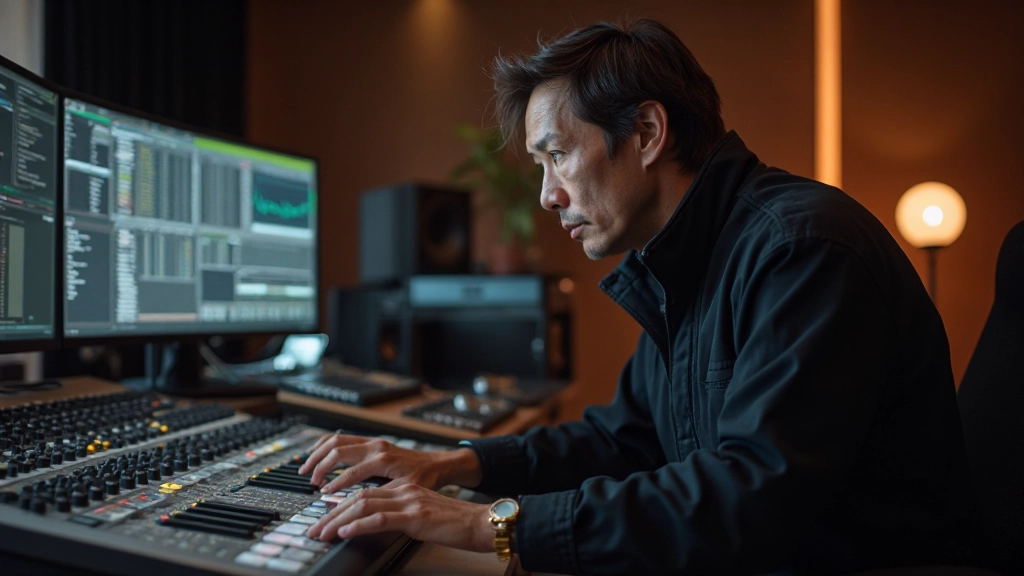
Audio quality can make or break a creative project. Professional audio tools give you control over every aspect of sound, from recording and mixing to mastering and effects processing.
Whether you’re creating podcast content, designing sound effects for video, producing music, or recording voiceovers, professional audio tools ensure your work meets broadcast standards and sounds polished across all playback systems.
As your creative library grows, finding the right asset quickly becomes critical. Digital asset management (DAM) solutions organize files, maintain version control, and enable team members to locate and access resources efficiently.
Solutions like Adobe Bridge, Figma’s asset management, Dropbox, and specialized DAM platforms prevent the chaos of scattered files across different drives and folders. They support metadata tagging, thumbnail previews, and integration with your creative applications, saving countless hours searching for assets and preventing costly duplications or lost work.
Create clear folder structures and naming conventions from day one to prevent chaos as your library grows.
Track changes and maintain multiple versions of work to preserve creative iterations and enable collaboration without confusion.
Use cloud-based solutions that allow multiple team members to access and contribute to shared asset libraries simultaneously.

The tools you choose should complement your creative style and project requirements rather than constrain them. Start by identifying your primary work areas—are you primarily a designer, video editor, audio professional, or hybrid creator? Understanding your core needs helps you prioritize investments and build a cohesive toolkit that works seamlessly together.
Remember that professional tools represent investments in your creative future. Many offer subscription models, making it easier to start and scale your toolkit as your needs evolve. Take advantage of free trials to test software before committing, and don’t overlook the value of learning resources and community support when evaluating options.
Explore comprehensive guides and in-depth reviews of each tool category to make informed decisions about your creative toolkit.
Explore All Resources


This article provides educational information about digital tools commonly used by creative professionals. Tool availability, pricing, and features change frequently—verify current information directly with vendors before making purchasing decisions. The selection and recommendations reflect general industry practices and should be evaluated based on your specific creative needs, budget, and workflow requirements. Individual results and tool suitability vary based on your particular use cases and technical environment. Consider taking advantage of free trials and community feedback before committing to any professional software purchase.